
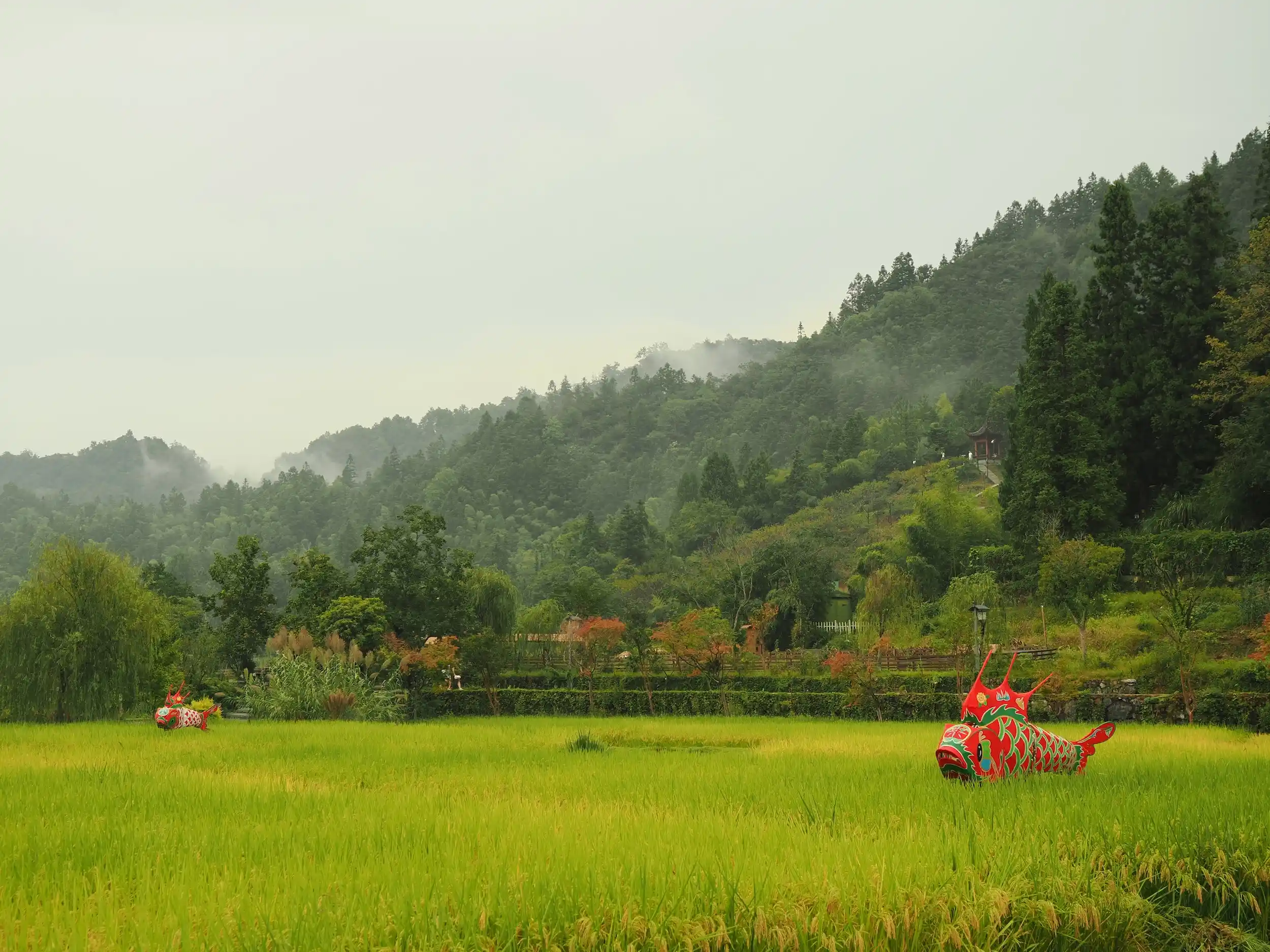
In the heart of Anhui Province, in eastern China, lies a peaceful haven that looks as if it were painted with Chinese ink on a silk canvas. The ancient village of Xidi (西递, Xīdì) is, along with its neighbour Hongcun, one of the most extraordinary examples of rural architecture from the Ming and Qing dynasties.
Its fame lies not only in its aesthetic beauty, but also in its exceptional state of preservation, which earned it recognition as a UNESCO World Heritage Site. This corner of the world is a living testimony to the prosperity of the region’s ancient merchant clans.
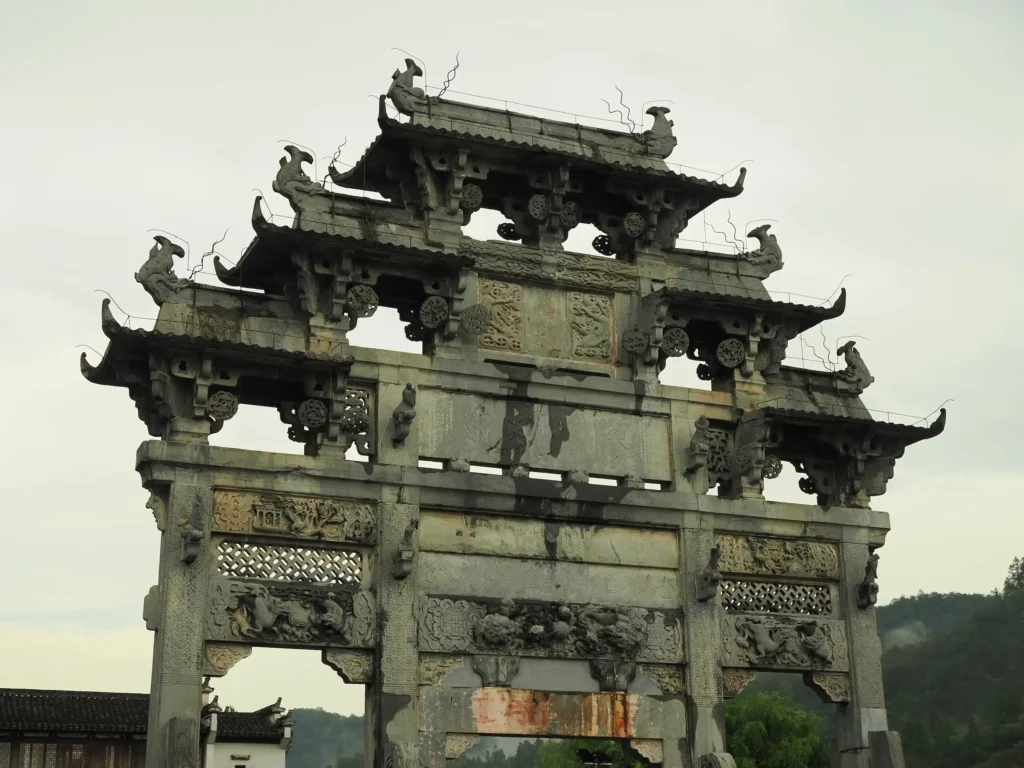
The history of Xidi is closely linked to the Hu (胡, Hú) family. Their ancestors settled in this valley almost a thousand years ago, fleeing the political turmoil of the time. Over time, the clan members became successful merchants who, despite their travels throughout the country, returned home to build increasingly elaborate residences. The village’s layout, with its two main streets crossed by numerous narrow alleys, was designed to facilitate the flow of water and social harmony, following principles that have endured for centuries.
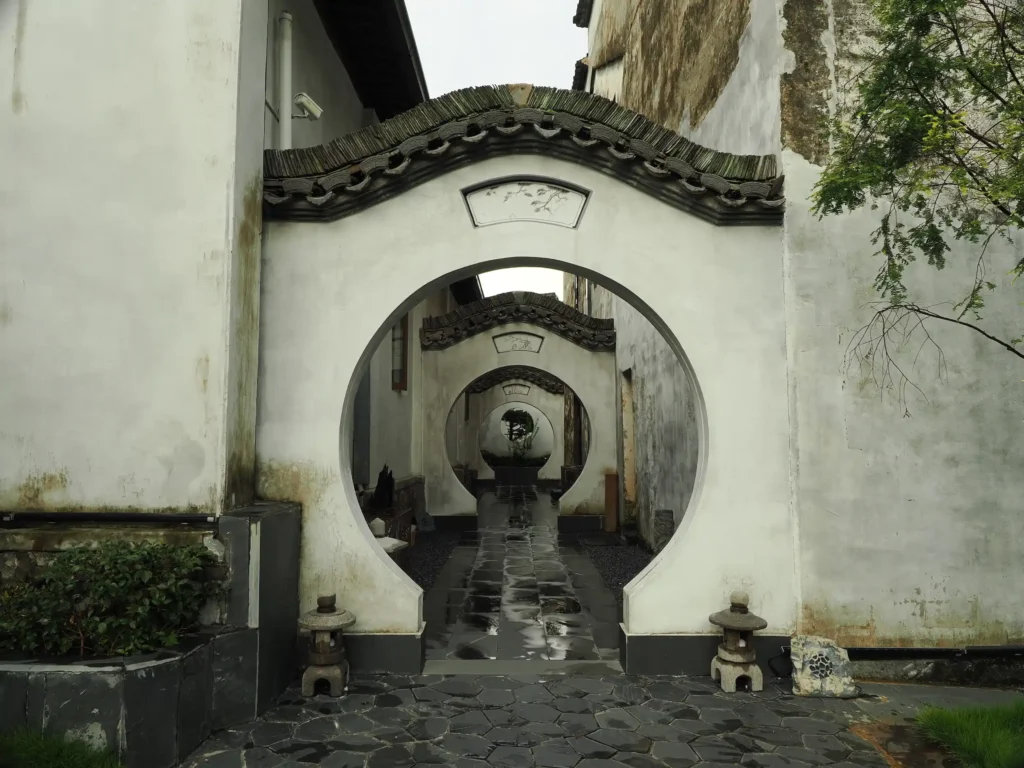
For travellers seeking a genuine connection with imperial China, Xidi is an essential stop. Unlike the big cities, here time is measured by the rhythm of the canals and the light falling on the engravings on the facades. It is a destination that allows you to understand the traditional family structure and the importance of education and trade in Chinese culture. Walking through Xidi is like leafing through a history book where each entrance door, adorned with intricate carvings, tells a legend of honour and success.
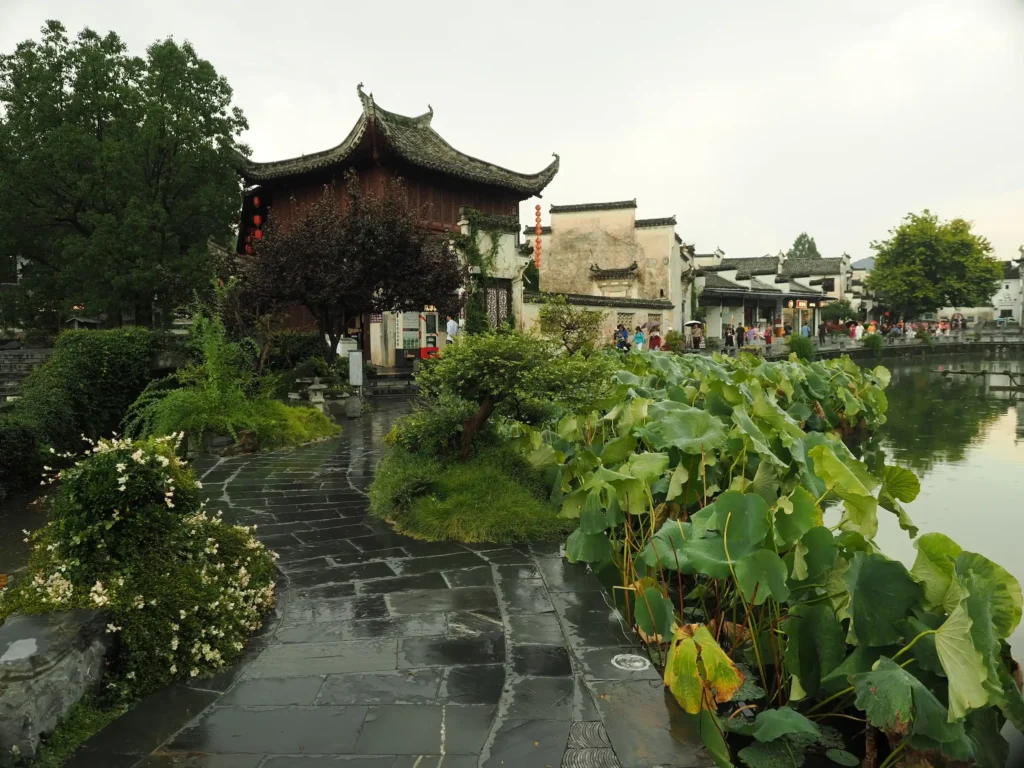
Its privileged location places it very close to other points of great interest. Just an hour away are the majestic Yellow Mountains (黄山, Huángshān), whose silhouette of granite and centuries-old pine trees has inspired poets and painters for millennia. Likewise, the village of Hongcun (宏村, Hóngcūn) is a short distance away, allowing visitors to compare the different styles of hydraulic planning that made these towns models of advanced engineering for their time.

Daily life in Xidi remains steeped in local customs. The region’s cuisine, known as Anhui cuisine (徽菜, huīcài), is notable for its use of wild mountain ingredients and stewing techniques that bring out deep flavours. It is common to see locals drying vegetables in the sun or practising calligraphy in the open courtyards of their homes. During festivities, rituals honouring ancestors take centre stage, keeping the spiritual legacy of the Hu clan alive.
At Asiahop, we understand that a trip to China is much more than visiting monuments; it is immersing yourself in a different worldview.
If you would like to discover the secrets of Xidi village and Anhui province through a private itinerary designed exclusively for you, please contact us. We are here to make your dream trip a reality.