
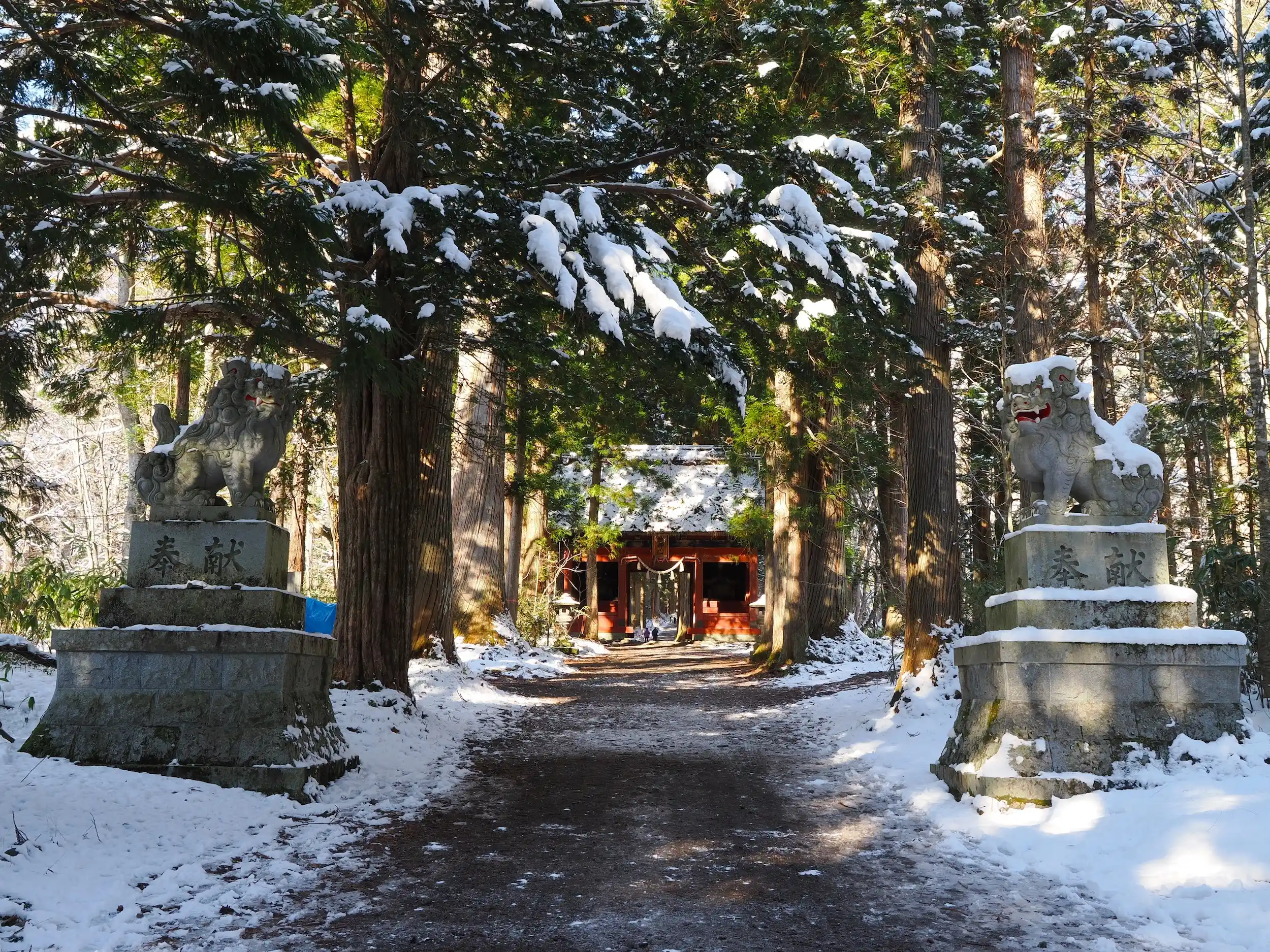
The prefecture of Nagano (長野県, Nagano-ken), located in the central region of Chubu, represents the essence of the Japanese Alps. Known worldwide for hosting the 1998 Winter Olympics, this city offers much more than snow sports. It is an enclave where Buddhist history and wild nature converge, offering travelers a necessary pause from the hustle and bustle of major metropolises like Tokyo or Osaka.
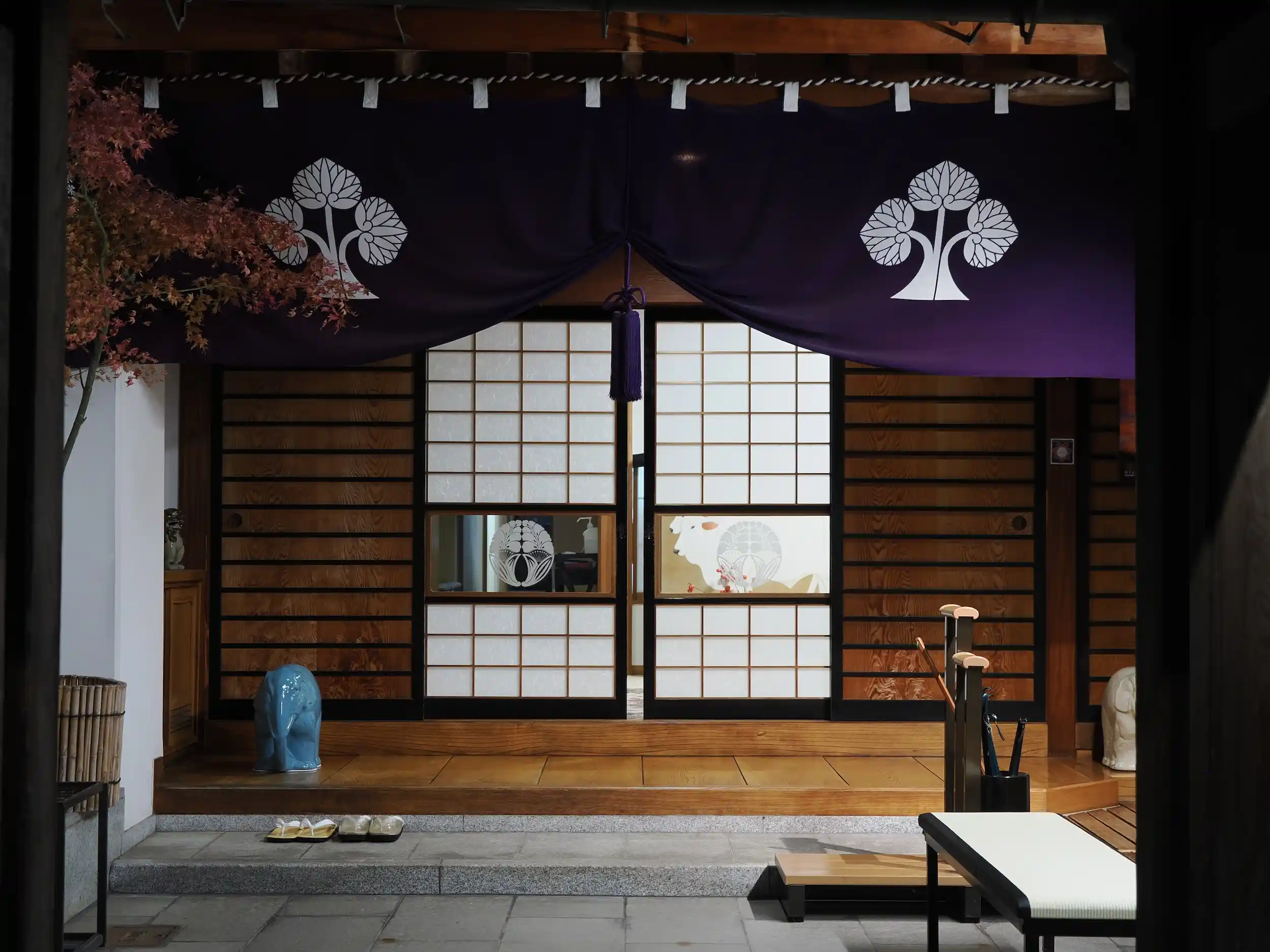
Its strategic location in the heart of the Japanese Alps (日本アルプス, Nihon Arupusu) makes it an essential destination for those seeking cultural depth and postcard-perfect landscapes.
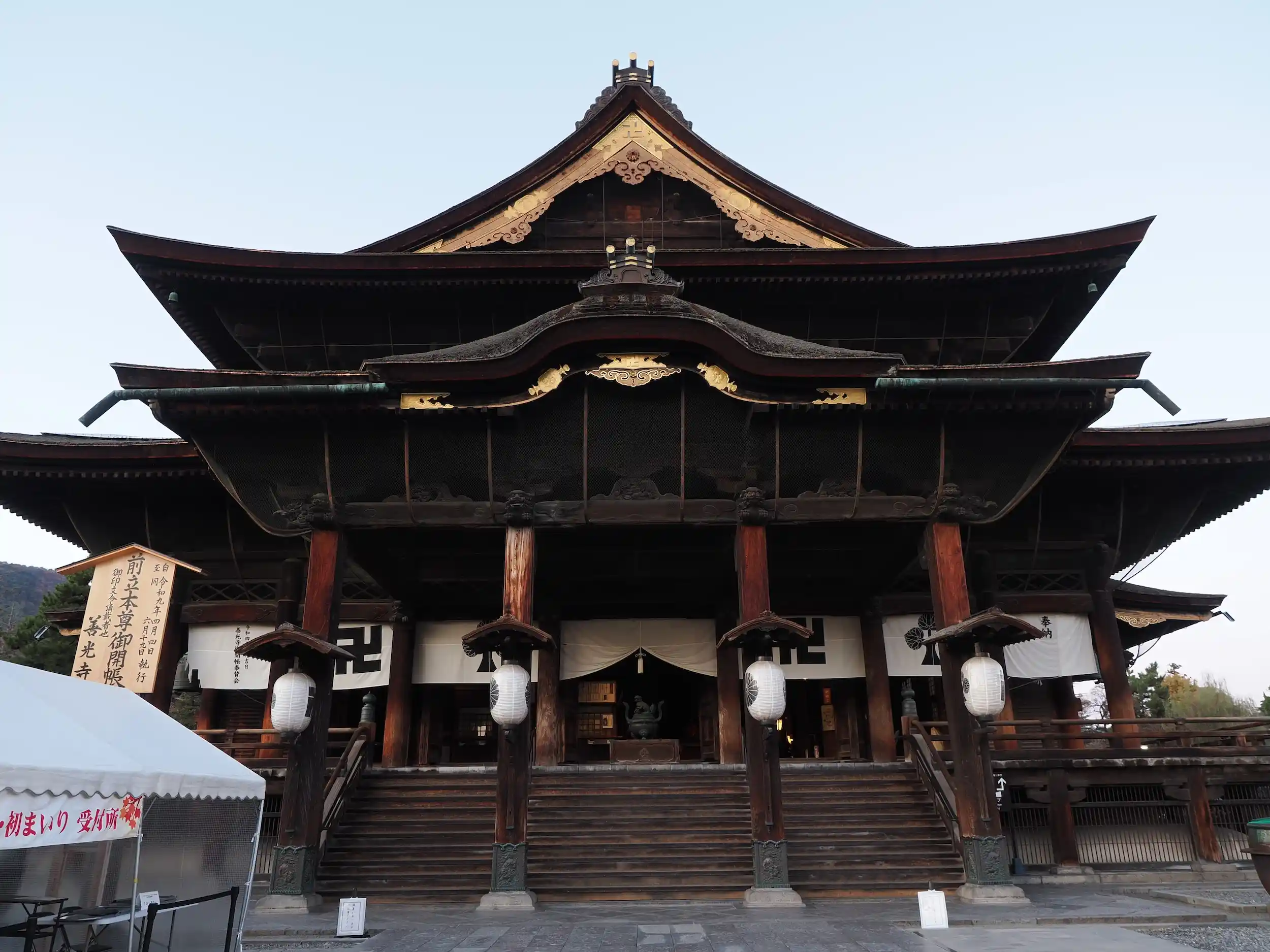
The history of the city is intrinsically linked to the development of the Zenko-ji temple (善光寺). Unlike other Japanese cities that grew around feudal castles, Nagano developed as a temple town. Since its founding in the 7th century, this complex has been a beacon of faith that, historically, opened its doors to people of all backgrounds and genders, something quite rare in ancient times. This spirit of welcoming has endured through the centuries, transforming the city into a pilgrimage center that receives millions of visitors every year in search of spiritual peace.
For the contemporary traveler, Nagano is relevant because it offers an authentic experience that is less crowded than other traditional circuits. It is the ideal place to understand the relationship between the Japanese people, the mountains, and spirituality. Visiting this region allows one to discover perfectly preserved wooden architecture and participate in ancestral rituals, such as the morning blessing ceremony at the temple, which connects directly with the island’s past. Furthermore, its natural surroundings offer access to some of the best thermal waters in the country, providing physical well-being that complements the cultural richness of the trip.
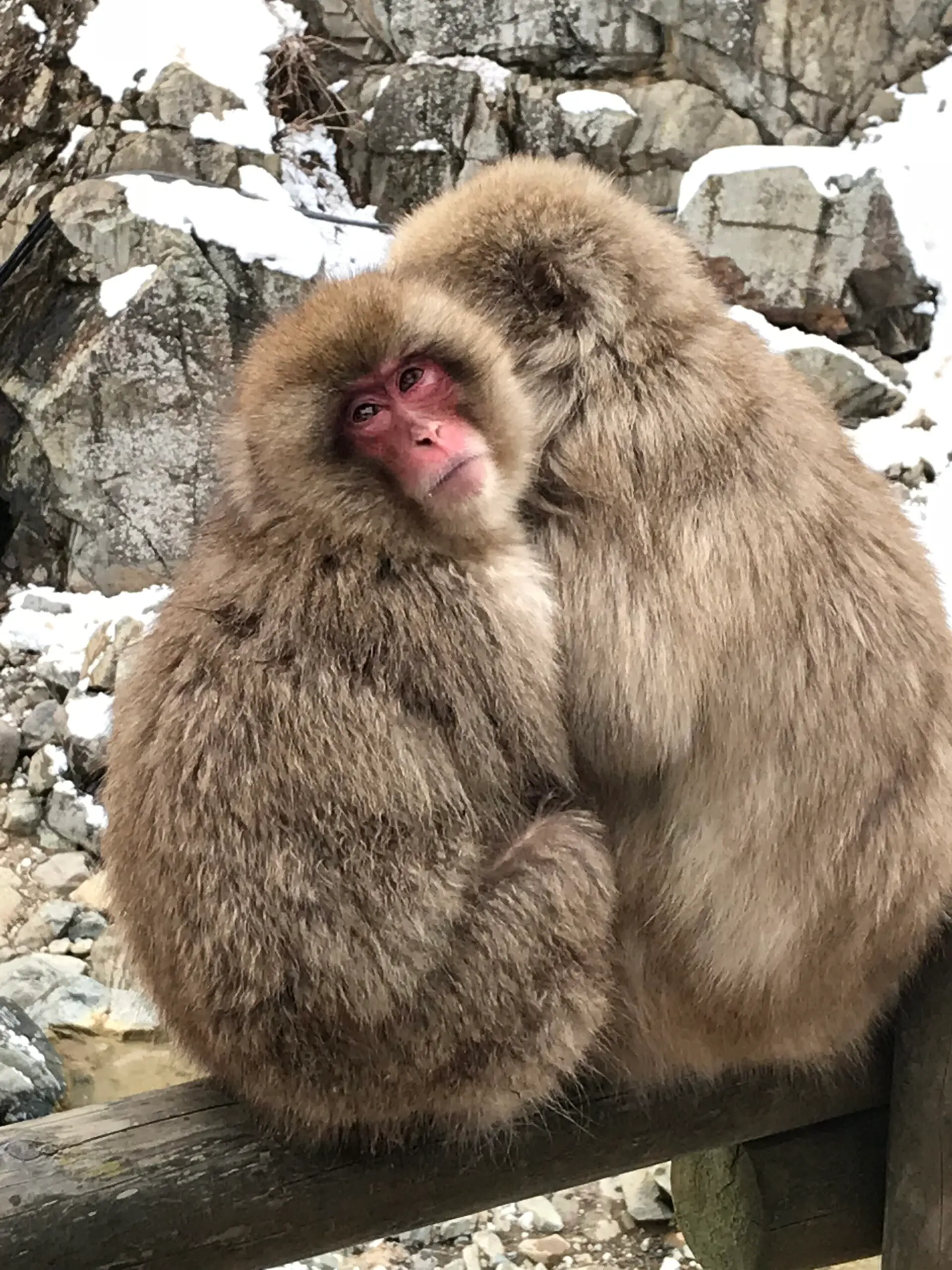
The city’s location also allows for the exploration of nearby destinations of great beauty. A short distance away lies the historic town of Obuse (小布施), famous for having been the home of the artist Hokusai and for its delicious chestnuts. Also easily accessible is the Yamanouchi (山ノ内) area, home to the Jigokudani Monkey Park (地獄谷野猿公苑, Jigokudani Yaen Koen), a unique place in the world where Japanese macaques soak in natural hot springs to combat the winter cold.
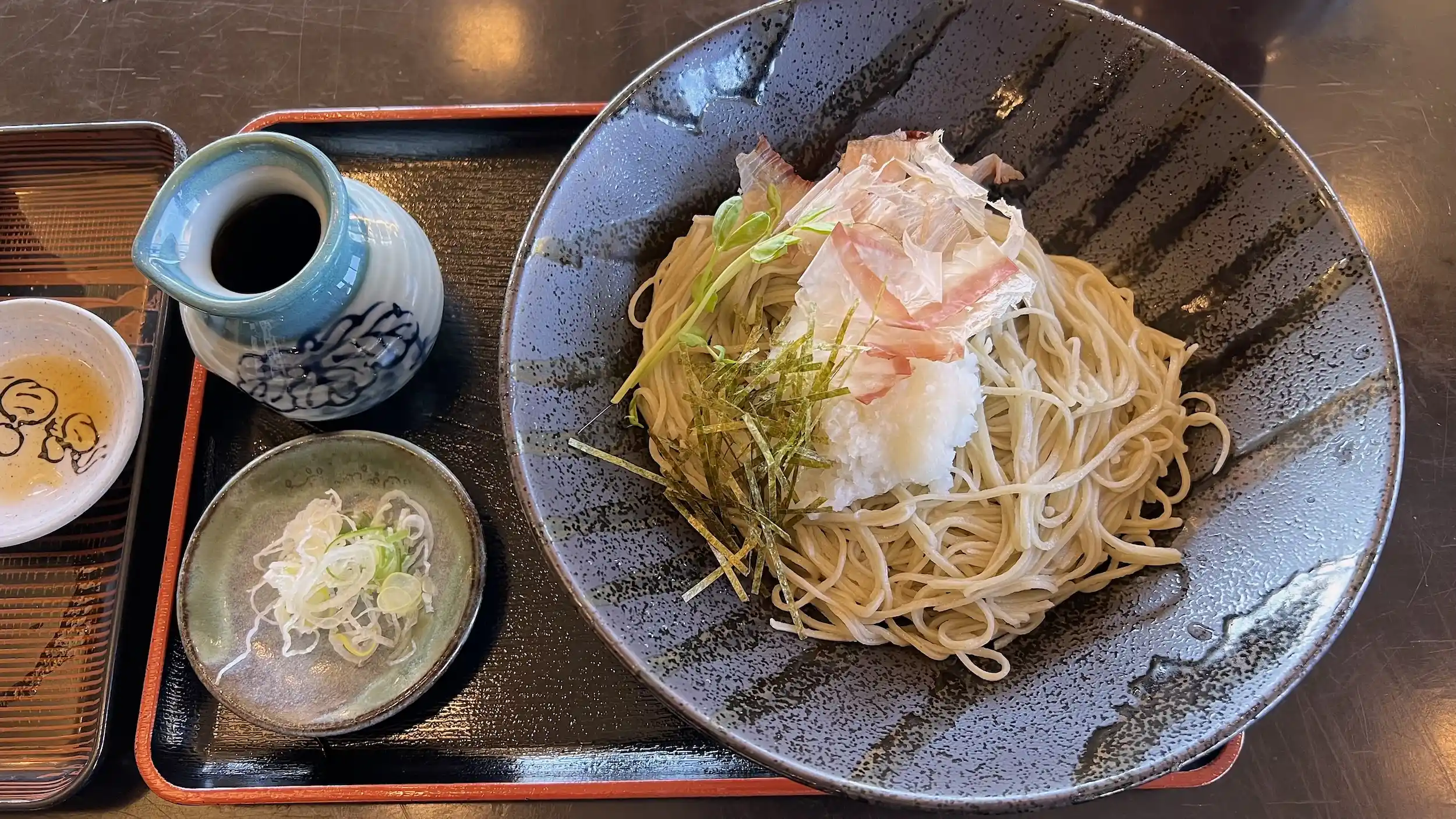
Nagano’s local culture is deeply influenced by its mountain climate. Gastronomy is one of its pillars, especially highlighting Shinshu soba (信州蕎麦) noodles, made with the pure water of the Alps. Another distinctive element is oyaki (お焼き), wheat flour dumplings filled with local vegetables or soy paste that are grilled or steamed. Regarding festivities, the Binzuru festival (長野びんずる) in August fills the streets with dance and music, showcasing the most vibrant and communal side of its inhabitants.
At Asiahop, we specialize in designing routes that capture the true soul of Japan. If you wish to include the magic of Nagano in your next tailor-made trip, we invite you to contact our team to create a private and exclusive itinerary adapted to your preferences.
Also in Nagano: