
As a tourist in Japan, everything is very straightforward. Thanks to the high standards and professionalism of the services, as well as the punctuality and efficiency of the transport system, you’ll have no trouble getting around comfortably anywhere in the country. However, there are bound to be a few things that surprise you on your first visit, even if you’ve read up on them before your trip.
Beyond what is relevant to the smooth running of your trip, there are cultural aspects we would like you to bear in mind when interacting with Japanese people, such as showing respect, so that you feel more at home at all times during your trip. Below, we outline what we consider to be the most important ones:
🤫 Respect and discretion
It is essential not to disturb others in any situation, as living together is based on mutual respect and always behaving with discretion.
🚇 Quiet on public transport
Avoid speaking loudly and do not make phone calls on trains or the underground, as passengers are expected to keep the atmosphere quiet so as not to disturb others.
📏 Queuing and order
Always respect the queues and the established rules, as everything is very organised and jumping the queue is considered rude.
🍽️ In restaurants
Tipping is not customary, and calm, respectful behaviour is expected; enjoy your meal without making excessive noise or drawing attention to yourself.
🚶 Eating whilst walking is not the norm
Although you will see street food, it is customary to eat in a specific place, not whilst walking.
🚬 Smoking in designated areas
Smoking is only permitted in designated areas, so doing so outside these spaces can result in fines and disapproving looks.
🍱 Early dinners
Especially if you’re staying in a ryokan, dinners usually start around 6 pm, which is earlier than is customary in other countries.
🧴 Cleanliness and bins
Always carry a small plastic bag in your rucksack or handbag, as there are hardly any bins in Japan and you’ll have to keep your rubbish until you find one – which often won’t happen until you return to your hotel.
👟 Taking off your shoes
In many hotels, restaurants and other venues, you’ll have to take your shoes off, so choose your socks carefully because they’ll be more visible than you might think 😉
🗣️ Language and courtesy
Using basic Japanese words such as ‘thank you’ or ‘please’ is highly appreciated, and accompanying them with a slight nod of the head shows respect and good manners in every interaction.
🚫 No pointing with your finger
It is considered rude. It’s better to use an open hand.
🍵 Tea ceremony
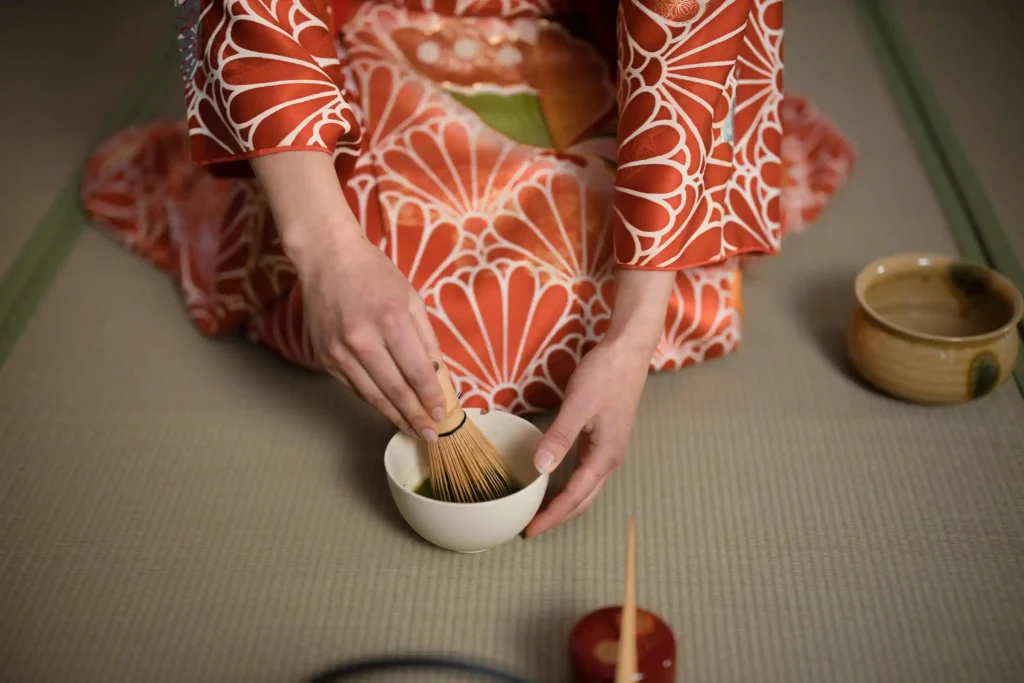
It’s not just about drinking tea; it’s a ritual full of calm and meaning, where every gesture matters and you’re expected to remain respectful and quiet.
⛩️ Visits to temples and shrines
You should behave with solemnity, speak softly and follow basic rituals such as purifying your hands or bowing slightly before entering.
🎎 Traditional events and festivals
During cultural celebrations, visitors are expected to observe with respect, avoiding interruptions or noisy behaviour.
🙏 Moments of respect
In more formal or traditional situations, such as certain ceremonies or gatherings, a serious demeanour is expected, with restrained gestures and no excessive familiarity.
Would you like to travel to Japan and immerse yourself in Japanese customs? Contact us and we’ll provide you with detailed information to ensure you have an unforgettable and sustainable trip.