
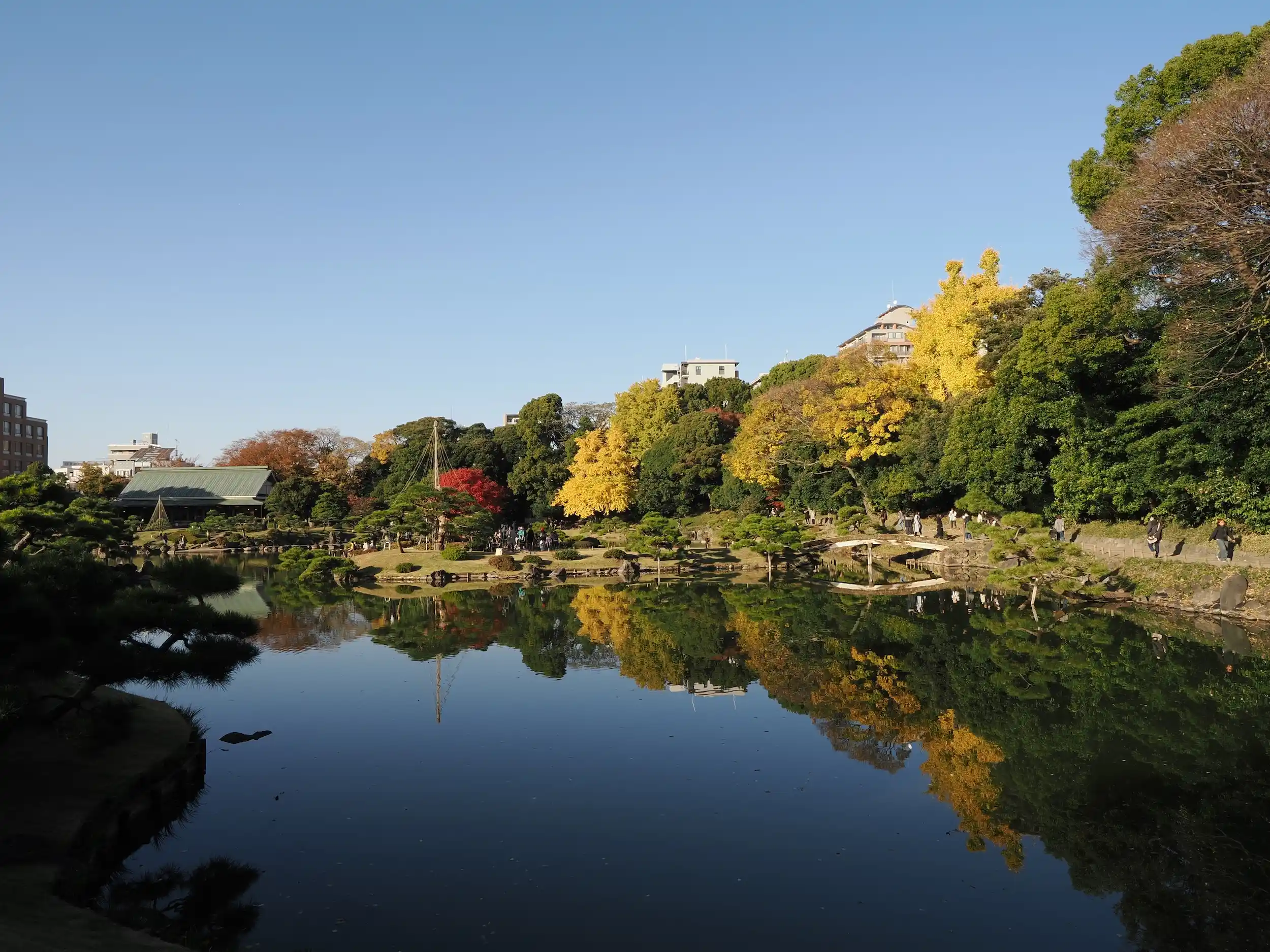
In Tokyo’s Koto Ward lies an oasis of peace that seems to stand still in time: Kiyosumi Garden (清澄庭園, Kiyosumi Teien).
Although Kyoto usually takes the spotlight for its traditional green spaces, this garden is one of the most refined and striking examples of the Meiji-era landscape style in the Japanese capital.
Its design, centered around a large pond surrounded by monumental stones brought from across the archipelago, offers a unique visual and spiritual experience for those seeking to escape the hustle and bustle of the skyscrapers.
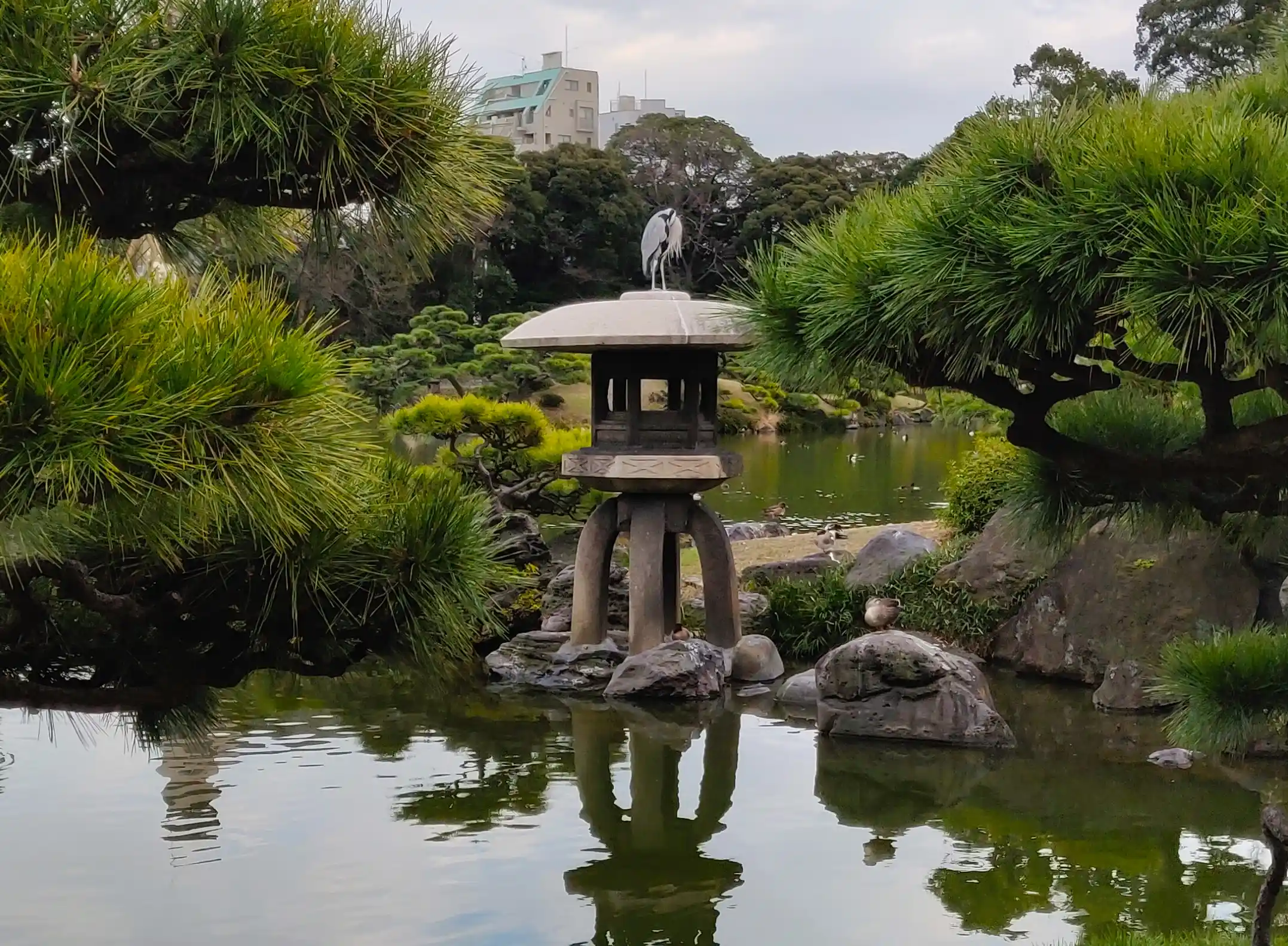
The origins of this site date back to the Edo period, when it is believed to have been part of a wealthy merchant’s residence. However, its current layout is the work of Iwasaki Yataro (岩崎 弥太郎, Iwasaki Yatarō), the founder of the Mitsubishi Group, who acquired the property in 1878.
His vision was to create a recreational space for his employees and to host distinguished guests. Following the Great Kanto Earthquake of 1923, the garden served as a refuge for many citizens, which led the Iwasaki family to donate the land to the city of Tokyo to ensure its preservation and public use.
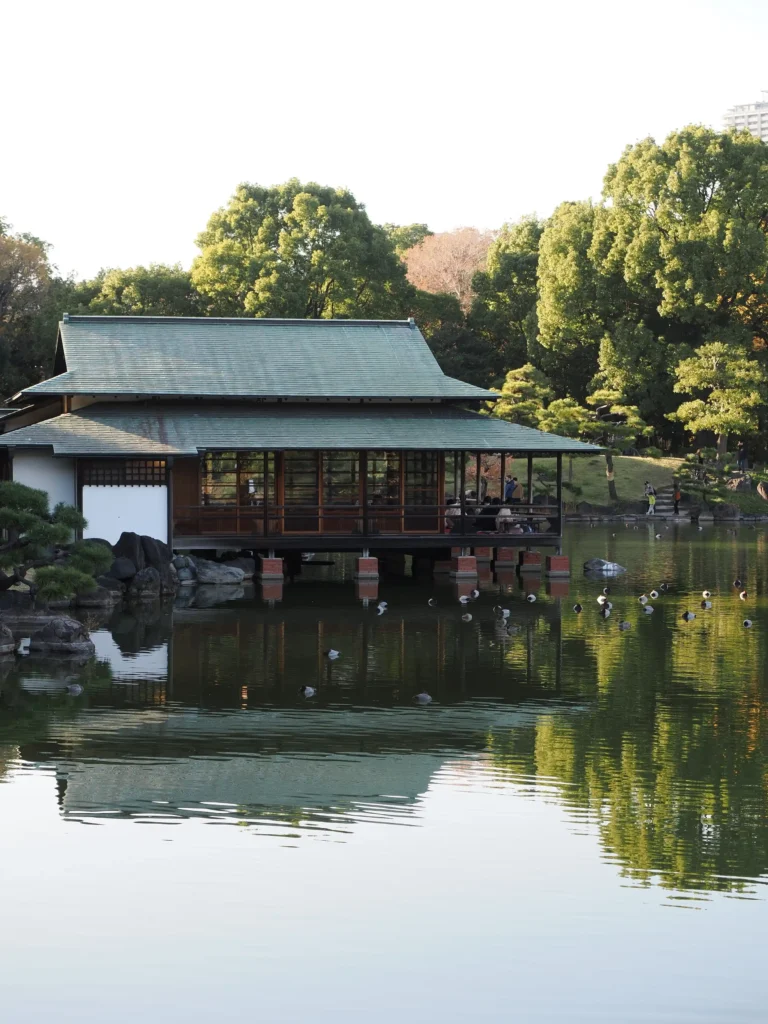
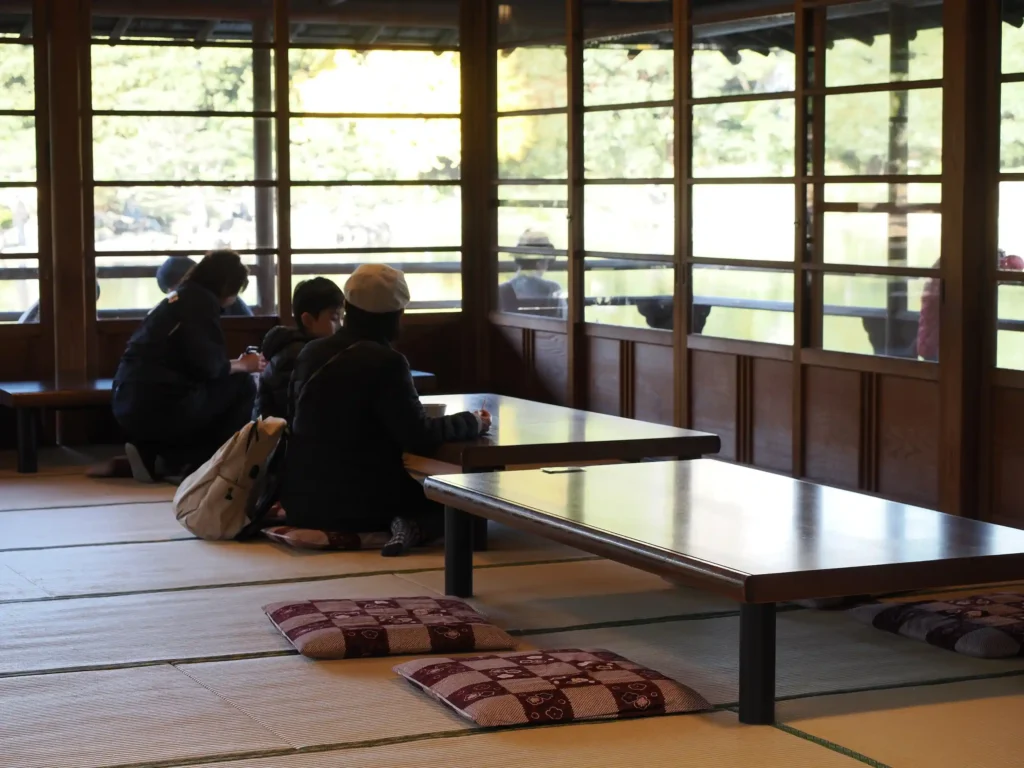
For travelers seeking a deeper experience during their visit to Japan, Kiyosumi Garden offers an unparalleled opportunity to understand the importance of natural elements in Japanese architecture. Unlike other gardens that prioritize vegetation, here the focus is on rocks. These stones, meticulously selected for their shape and texture, serve as visual anchors that guide visitors through a leisurely stroll, reminding us of solidity and permanence in the face of the fleeting nature of the seasons.
The garden’s location makes it easy to combine your visit with other nearby cultural highlights. Just a short walk away is the Edo-Fukagawa Museum (深川江戸資料館, Fukagawa Edo Shiryōkan), where you can stroll through a life-size recreation of a neighborhood from the Edo period. Likewise, the Fukagawa Fudo-do Temple (深川不動堂, Fukagawa Fudō-dō) offers one of the city’s most striking fire ceremonies, providing a dynamic contrast to the garden’s serenity.
Life in the Kiyosumi area is steeped in a nostalgic, artisanal atmosphere. The Kiyosumi-shirakawa (清澄白河, Kiyosumi-shirakawa) district has recently become the hub of Tokyo’s specialty coffee culture, blending the tradition of old wooden warehouses with a modern, minimalist aesthetic.
When it comes to cuisine, you simply must try Fukagawa-meshi (深川飯), a local dish of rice with clams cooked in miso that reflects the district’s fishing heritage.
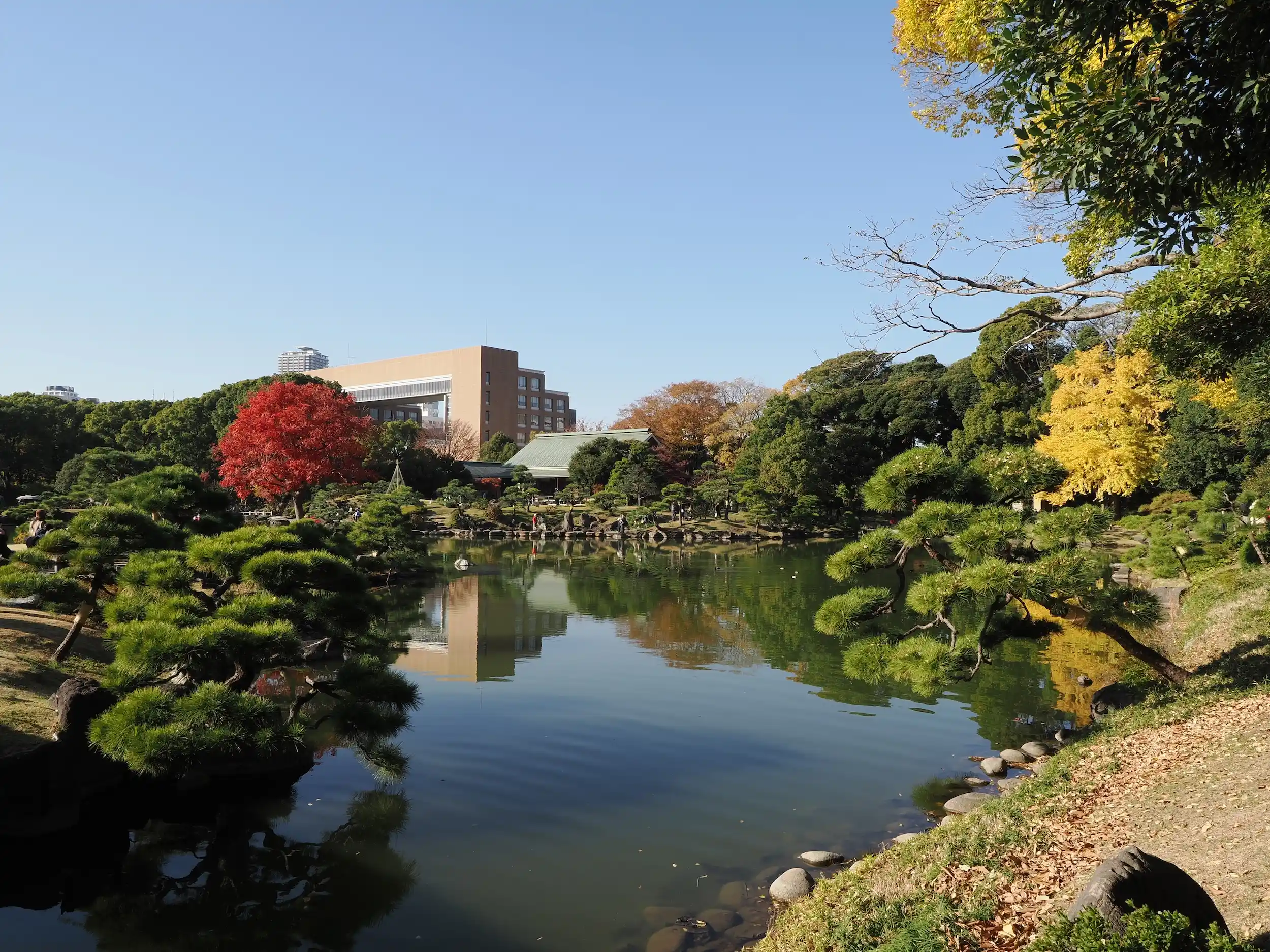
During the spring and summer months, the pond comes alive with iris and cherry blossoms, while the carp and turtles that inhabit its waters are the silent guardians of this urban ecosystem.
At Asiahop, we believe that the most memorable trips are those that allow you to connect with the tranquility of places as special as this one. If you’d like to discover Japan’s best-kept secrets through an itinerary designed exclusively for you, we invite you to contact us to start planning your next private, tailor-made adventure.